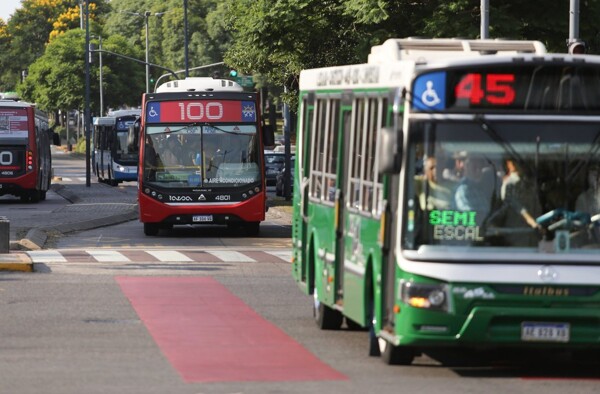
Despite the monthly increase, the year ended with a variation of 31.5%, consolidating it as the lowest annual figure since 2017. According to what Argentina News Agency learned, Minister of Economy Luis Caputo celebrated the results by calling them a solid advance in the disinflation process, highlighting that it was achieved in a context of relative price adjustment. How was the inflation evolution month by month during 2025? The behavior of prices throughout the year showed marked seasonality, with a peak in the first quarter and a strong deceleration towards mid-year: January: 2.2% February: 2.4% March: 3.7% (Highest monthly of the year) April: 2.8% May: 1.5% (Lowest monthly of the year) June: 1.6% July: 1.9% August: 1.9% September: 2.1% October: 2.3% November: 2.5% December: 2.8% How much money did a family need not to be poor in December? Parallel to the CPI, official data on the cost of living showed an increase in poverty and indigence lines above general inflation: Total Basic Basket (TBB): A typical family of four needed $1,308,713.26 to exceed the poverty line, representing a 4.1% increase from the previous month. Food Basic Basket (FBB): That same household required $589,510 to cover its basic nutritional needs and not fall into indigence. Other households: A family of five members had to have $1,376,478 to cover the TBB, while a household of three people needed $1,041,888. Which items and regions drove the index in the last month? The division with the highest increase in December was Transportation (4.0%), followed by Housing, water, electricity, gas and other fuels (3.4%). However, Food and non-alcoholic beverages (3.1%) was the item with the greatest impact in all regions. Geographically, the Northeast registered the highest inflation with 3.4%, while the Northwest and Patagonia presented the lowest variations, both with 2.6%. The Greater Buenos Aires (GBA) area, in turn, aligned with the national average of 2.8%.